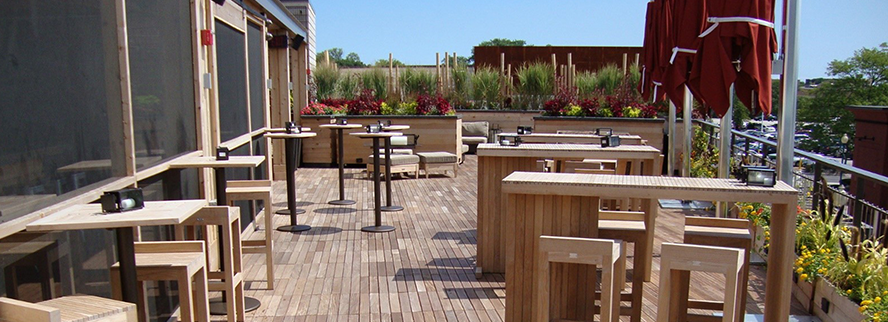
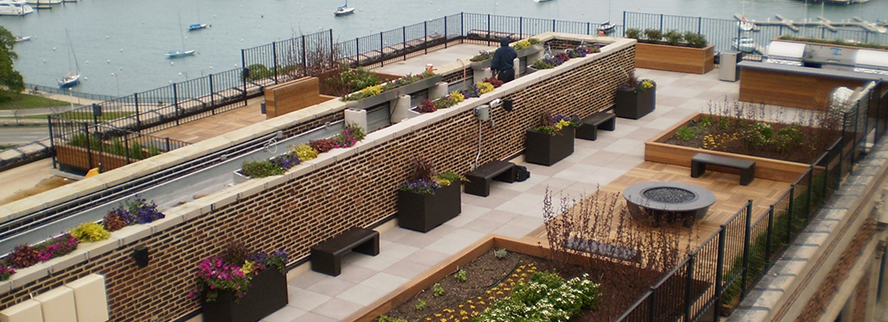
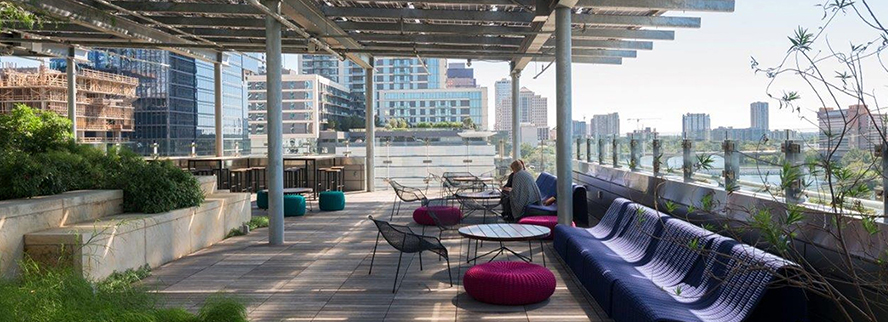
For landscape architects and exterior designers, choosing between natural hardwood and porcelain is about more than appearance. Each material offers distinct structural and environmental advantages that influence project outcomes. Selecting the right material for elevated outdoor surfaces requires careful consideration of performance, aesthetics, sustainability, and long-term maintenance to achieve a successful, durable design.
The FSC-certified Ipê wood tiles and 2CM porcelain pavers from Bison represent two high-performance solutions for elevated applications, including rooftop terraces, commercial plazas, hospitality spaces, and residential outdoor environments. Understanding the differences between these materials helps specifiers create durable, responsible designs supported by appropriate pedestal systems and installation methods.
This guide compares the environmental credentials, durability, maintenance requirements, and specification considerations of FSC-certified Ipê wood and porcelain pavers to help professionals select the right surface solution for their next project.
The Environmental Chain of Custody for FSC-Certified Ipê Wood Tiles
For projects where natural materials and responsible sourcing are priorities, FSC-certified Ipê wood provides a durable hardwood option backed by rigorous forest management standards. The Forest Stewardship Council (FSC) certification process verifies that wood products originate from responsibly managed forests through a global system of environmental, social, and economic criteria.
When specifying FSC-certified Ipê wood tiles, architects can evaluate the transparency of the material supply chain. Chain-of-custody certification helps track certified wood from the forest through processing and distribution, providing greater confidence that the material aligns with sustainability objectives.
In addition to supporting responsible forestry practices, FSC-certified materials may contribute toward sustainability goals, including applicable LEED credits and SITES criteria.
Ipê is naturally dense, exceptionally durable, and well-suited for exterior environments. Its high resistance to moisture, insects, and weather exposure makes it a long-lasting choice for elevated decks and terraces. Unlike many softer wood species, Ipê can maintain its structural integrity in demanding outdoor applications with correct installation and regular maintenance.
For elevated applications, modular Ipê wood deck tiles provide additional design flexibility. These tiles can be installed over pedestal systems, allowing efficient drainage, access to the structural deck below, and easier replacement or maintenance when required. The floating installation approach also helps accommodate changes in the substrate while reducing direct contact between the wood and standing water.
Key specification considerations for FSC-certified Ipê wood tiles:
- Sustainability: FSC certification supports responsible sourcing and traceability.
- Durability: Ipe naturally performs well in exterior environments with high exposure.
- Aesthetic value: The warm tones and natural grain provide a premium architectural finish.
- Installation flexibility: Modular wood tiles allow efficient installation over adjustable pedestal systems.
- Maintenance requirements: Periodic cleaning and optional finishing treatments help maintain the desired appearance.
For projects seeking the character of natural wood combined with reliable exterior performance, Ipê wood deck tiles offer a strong balance between aesthetics, longevity, and environmental responsibility.
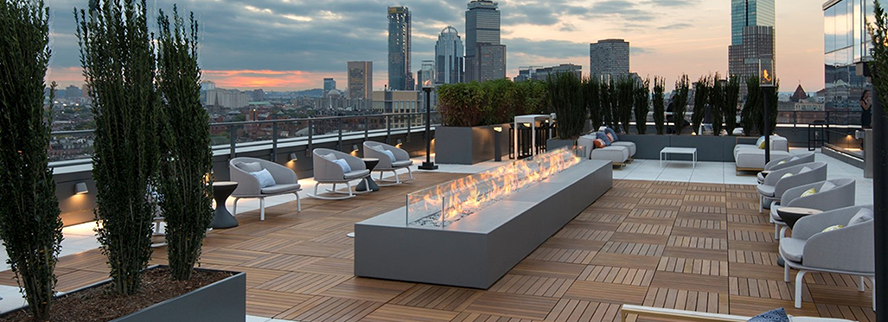
High-Traffic Commercial Durability: 2CM Porcelain Pavers on Pedestals
Commercial outdoor spaces often require materials that can withstand heavy foot traffic, changing weather conditions, and demanding maintenance schedules. For these applications, 2CM porcelain pavers on pedestals provide a durable, low-maintenance surface solution.
Porcelain is manufactured through a high-temperature firing process that creates a dense, nonporous material with excellent resistance to staining, fading, moisture absorption, and temperature fluctuations. The performance characteristics of 2CM porcelain pavers make them particularly suitable for elevated applications where long-term durability and minimal maintenance are critical.
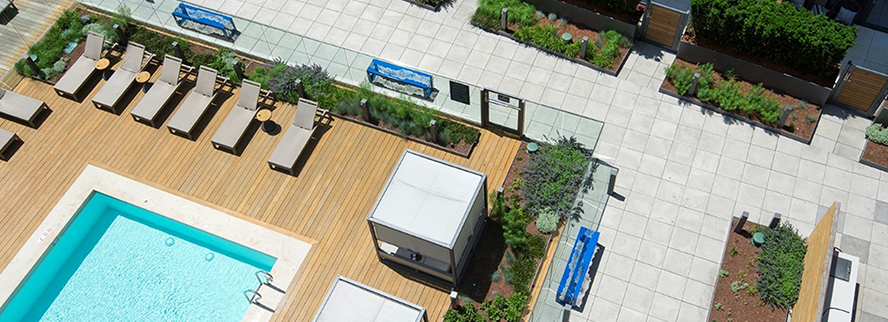
Installed over pedestal systems, porcelain pavers create a level, accessible surface while maintaining an open space beneath the deck for drainage, utilities, and ventilation. This approach is commonly used for rooftop terraces, commercial landscapes, hospitality environments, and public spaces where accessibility and serviceability are important design considerations.
Bison pavers are engineered for elevated applications and integrate with pedestal systems designed to support stable, long-lasting outdoor surfaces. Bison paver trays can be combined with fastening splines to resist wind uplift, while paver trays and backers provide additional support and impact resilience for elevated surface materials. The combination of precision-manufactured pavers and adjustable pedestals lets specifiers create functional outdoor environments while addressing drainage, slope correction, and maintenance access.
Key specification considerations for 2CM porcelain pavers:
- Durability: High resistance to wear, stains, moisture, and UV exposure.
- Low maintenance: Porcelain typically requires minimal cleaning compared with many natural materials.
- Design flexibility: Available in a range of colors, textures, and finishes to complement architectural styles.
- Pedestal compatibility: Elevated installation supports drainage and access beneath the surface.
- Commercial performance: Suitable for high-traffic environments requiring consistent appearance over time.
For projects where operational efficiency, durability, and reduced maintenance are priorities, 2CM porcelain pavers on pedestals provide the ideal solution.
Comparing FSC-Certified Ipê Wood and 2CM Porcelain for Elevated Applications
Choosing between Ipê wood deck tiles and porcelain pavers depends on your project priorities, including aesthetic goals, environmental requirements, maintenance expectations, and anticipated use conditions. Both materials perform well in elevated applications, but they provide different benefits for specifiers.
|
Consideration |
FSC-Certified Ipê Wood Tiles |
2CM Porcelain Pavers |
|
Appearance |
Natural hardwood grain with rich, warm tones |
Wide range of colors, textures, and stone-inspired finishes |
|
Sustainability |
Supports responsible forestry through FSC certification |
Long service life and low replacement requirements contribute to material efficiency |
|
Durability |
Naturally dense hardwood with excellent outdoor performance |
Highly resistant to staining, moisture, fading, and heavy wear |
|
Maintenance |
Requires routine cleaning and optional sealing to maintain the natural color |
Minimal maintenance with simple cleaning procedures |
|
Installation |
Modular tiles installed over pedestal systems |
Pavers installed over pedestal systems |
|
Best applications |
Hospitality spaces, terraces, residential decks, biophilic designs |
Commercial plazas, rooftops, public spaces, and other high-traffic areas |
The most appropriate material choice depends on the intended experience of the space. Ipê wood creates a natural, tactile environment that connects outdoor areas with organic materials, making it well suited for hospitality, residential, and landscape-focused projects. Porcelain provides a highly consistent surface with broad design flexibility, making it ideal for applications requiring durability and simplified maintenance.
Maintenance Considerations for Elevated Deck Systems
Maintenance requirements should be considered early in the specification process, as material selection directly influences long-term performance, accessibility, and lifecycle costs.
FSC-certified Ipê wood tiles require routine cleaning to remove dirt, organic debris, and surface contaminants. Over time, Ipê naturally develops a silver-gray patina. However, the natural wood color can be preserved with periodic cleaning and sealing to maintain the original warm tones. Regular inspection of the deck surface, drainage areas, and pedestal system helps ensure continued performance.
2CM porcelain pavers offer a low-maintenance alternative for elevated applications. Their dense, nonporous surface resists staining, moisture absorption, and fading, typically requiring only routine cleaning with approved products. When installed over a pedestal system, porcelain pavers also allow access beneath the surface for drainage, maintenance, and inspection.
For both materials, specifying an elevated system with proper drainage, accessibility, and appropriate maintenance procedures helps protect the investment and extend the service life of the installation.
Selecting the Right Elevated Surface Material
FSC-certified Ipê wood tiles and Bison pavers each offer distinct advantages for elevated outdoor applications. Ipê provides the natural beauty and character of premium hardwood with responsible sourcing credentials, while porcelain delivers exceptional durability, low maintenance, and design versatility.
For architects and exterior designers, the best material selection begins with understanding the project’s priorities. By evaluating environmental goals, performance expectations, maintenance requirements, and installation conditions, specifiers can create elevated surfaces that perform reliably while enhancing the experience of outdoor spaces.
Find the Right Surface Solution for Your Next Project
Need help choosing between FSC-certified wood tiles and porcelain pavers? Bison can help you evaluate surface materials, pedestal configurations, drainage requirements, and installation considerations to find the right solution for your elevated deck.
Contact the Bison team to discuss your project and get expert guidance on your next rooftop specification.
Need assistance selecting between FSC-certified wood tiles and porcelain pavers? Bison can help evaluate project requirements, surface materials, pedestal configurations, drainage considerations, and installation conditions to support your specification process.
Contact the Bison team for more information and advice on your next rooftop project.
Frequently Asked Questions
What is FSC-certified Ipê wood?
FSC-certified Ipê wood is hardwood sourced from forests that meet the Forest Stewardship Council’s standards for responsible forest management. Certification provides greater transparency regarding the material’s origin and supply chain while allowing architects to specify a durable natural wood product for exterior applications.
Are FSC-certified wood tiles suitable for rooftop decks?
Yes. FSC-certified wood tiles suit rooftop decks, combining responsibly sourced hardwood with durability and natural aesthetics. Bison's FSC-certified Ipê wood tiles can be installed over adjustable pedestal systems, supporting drainage and maintenance access. They also offer a sustainable material option for projects pursuing applicable LEED credits or SITES criteria.
When should architects specify Ipê wood instead of porcelain pavers?
Specify FSC-Certified Ipê Wood if the project requires:
- Natural warmth, organic texture, or biophilic design elements
- Sustainable forestry credentials (FSC/LEED/SITES)
Specify 2CM Porcelain Pavers if:
- High foot traffic requires maximum stain, scratch, and UV resistance
- Minimal long-term maintenance and a consistent finish are primary requirements
Are 2CM porcelain pavers suitable for rooftop decks?
Yes. When installed using an appropriate pedestal system, 2CM porcelain pavers can provide an effective solution for rooftop decks. The elevated installation method allows water drainage, accommodates slope correction, and creates access beneath the surface for maintenance or utilities.
How long do FSC-certified Ipê wood tiles last?
With proper installation and maintenance, Ipê is known for exceptional outdoor durability and can provide decades of service. Performance depends on factors including climate, exposure, installation details, and maintenance practices.
Are Bison pavers and wood tiles compatible with elevated deck systems?
Yes, Bison's elevated deck systems combine 2CM porcelain pavers, wood tiles, pedestal supports, and accessory components designed specifically for rooftop and exterior applications. This approach provides flexibility to create level outdoor surfaces while supporting the drainage and access requirements commonly needed in architectural projects.
What should specifiers consider when selecting elevated surface materials?
Key considerations include:
- Project location and environmental exposure
- Expected foot traffic levels
- Maintenance requirements
- Sustainability goals
- Slip resistance and safety requirements
- Accessibility and drainage needs
- Compatibility with pedestal systems
- Desired aesthetic outcome
A successful elevated surface specification balances performance requirements with the overall design vision of the project.